
 Image 1 of 4
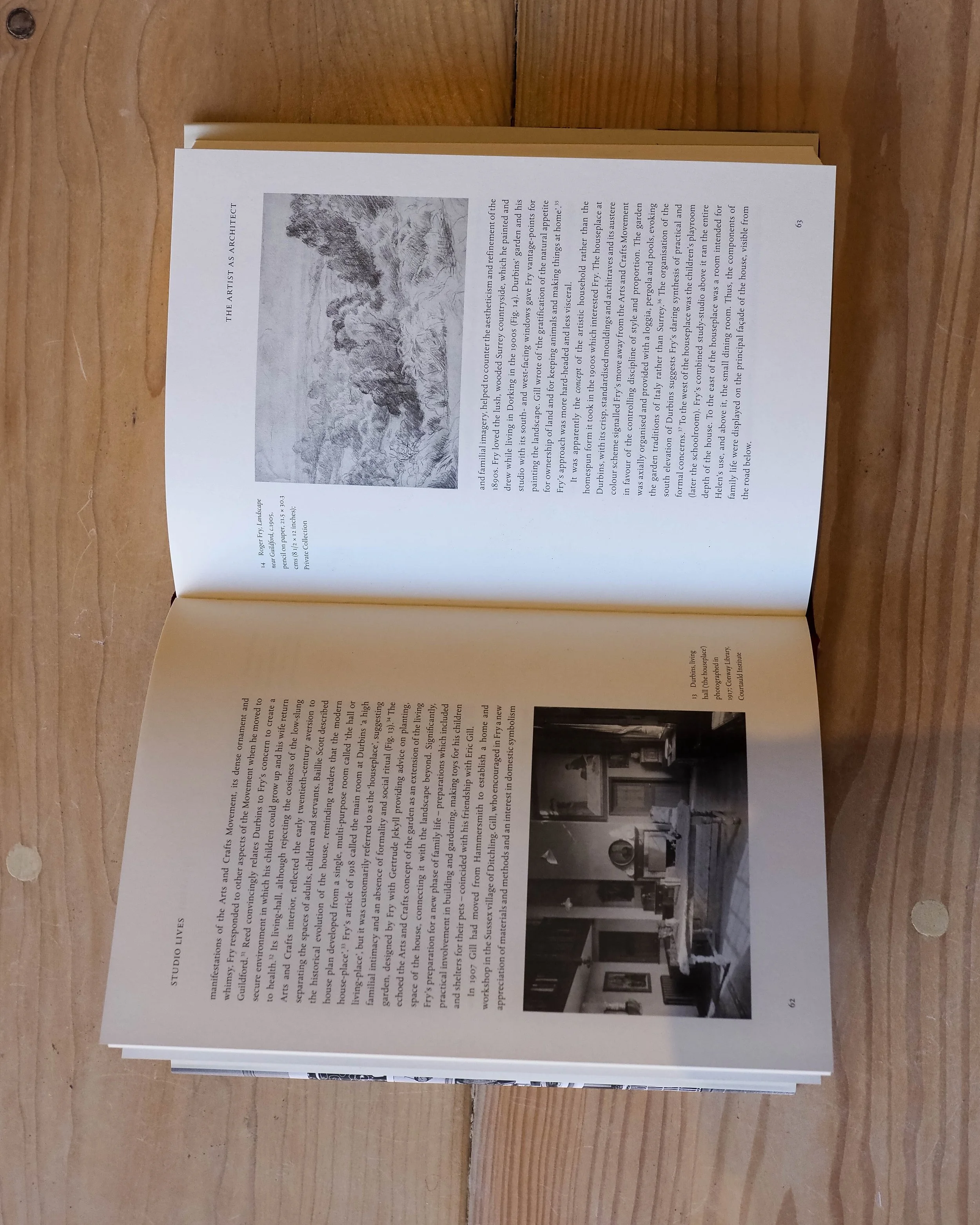 Image 2 of 4
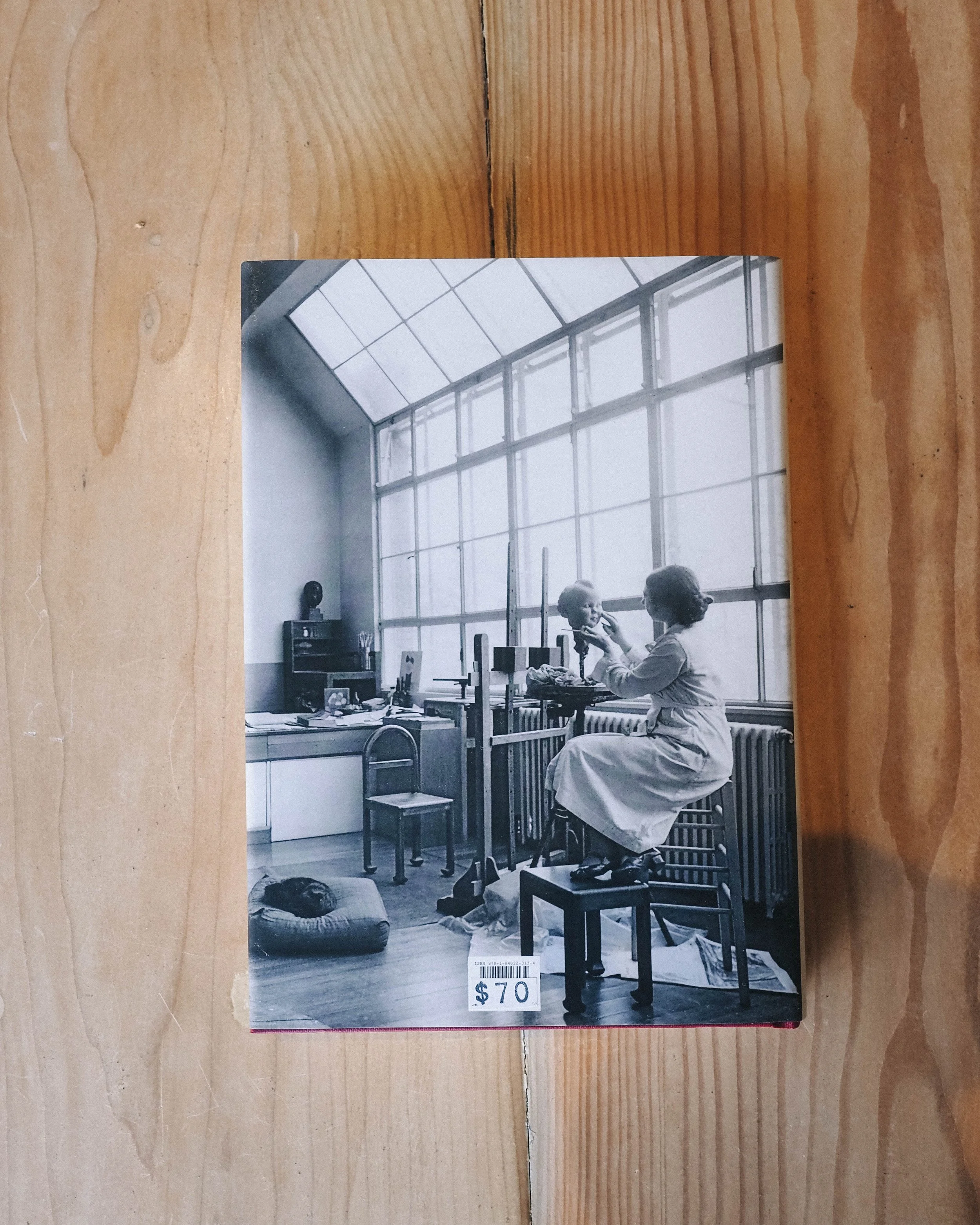 Image 3 of 4
 Image 4 of 4
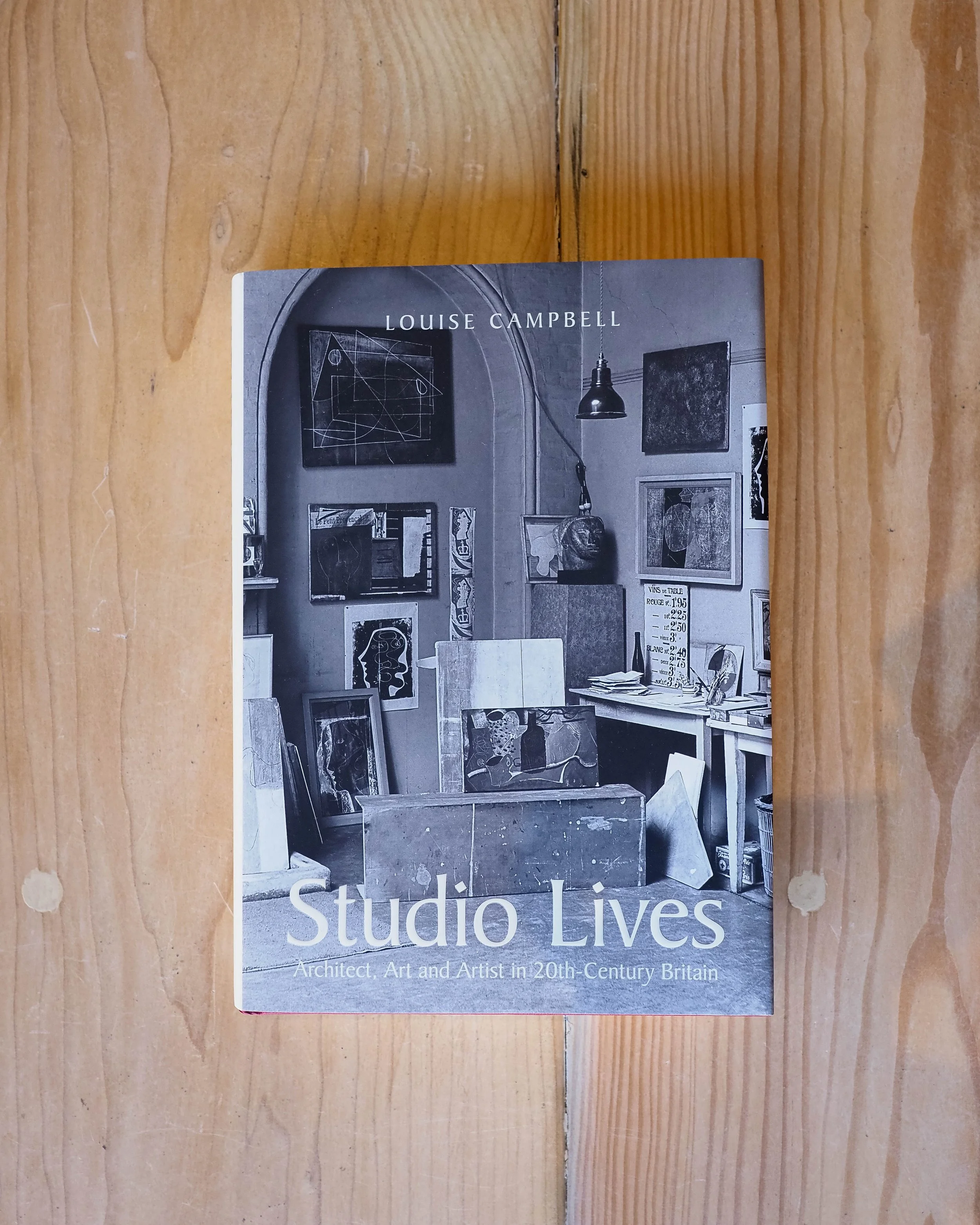
By examining the studios and studio-houses used by British artists between 1900 and 1940, this book reveals the ways in which artists used architecture – occupying and adapting Victorian studios and commissioning new ones. In doing so, it shows them coming to terms with the past, and inventing different modes of being modern, collaborating with architects and influencing the modernist style.
In its scrutiny of the physical surroundings of artistic life during this period, the book sheds insight into how the studio environment articulated personal values, artistic affinities and professional aspirations. In revealing the artists to be active collaborators, it contradicts the perception that modernist architects imposed their designs on their clients and shows how artists influenced the modernist style
By examining the studios and studio-houses used by British artists between 1900 and 1940, this book reveals the ways in which artists used architecture – occupying and adapting Victorian studios and commissioning new ones. In doing so, it shows them coming to terms with the past, and inventing different modes of being modern, collaborating with architects and influencing the modernist style.
In its scrutiny of the physical surroundings of artistic life during this period, the book sheds insight into how the studio environment articulated personal values, artistic affinities and professional aspirations. In revealing the artists to be active collaborators, it contradicts the perception that modernist architects imposed their designs on their clients and shows how artists influenced the modernist style